
Tips, Knowledge about Enterprise Resource Planning

Practical ERP guides on ERP systems, selection, implementation, operations, reporting, and long-term system fit.

Latest Updates

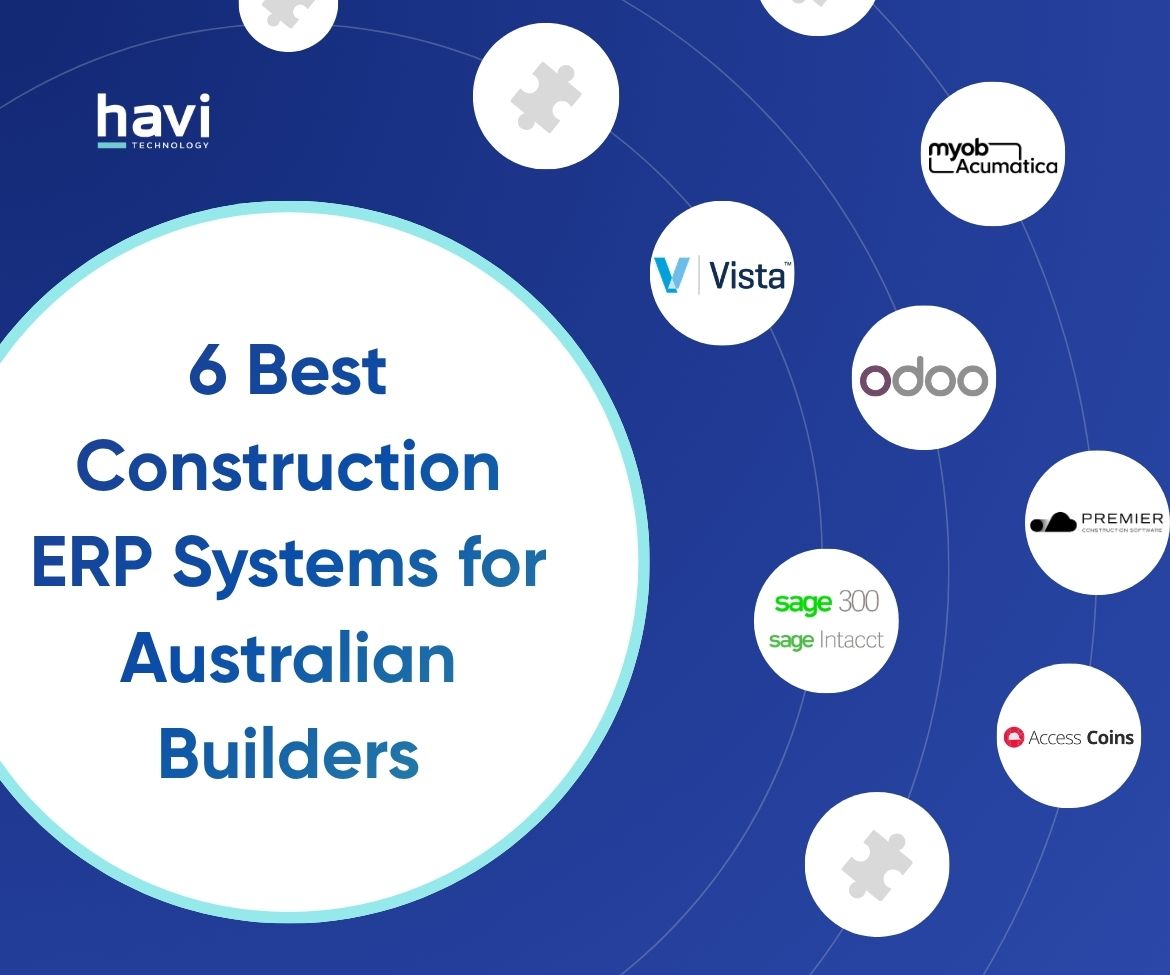
Top 6 Best Construction ERP Systems for Australian Builders (2026)

For Australian builders, contractors, and developers comparing construction ERP in 2026, the six platforms that consistently fit Australian operations are MYOB Acumatica Construction Edition, Viewpoin...
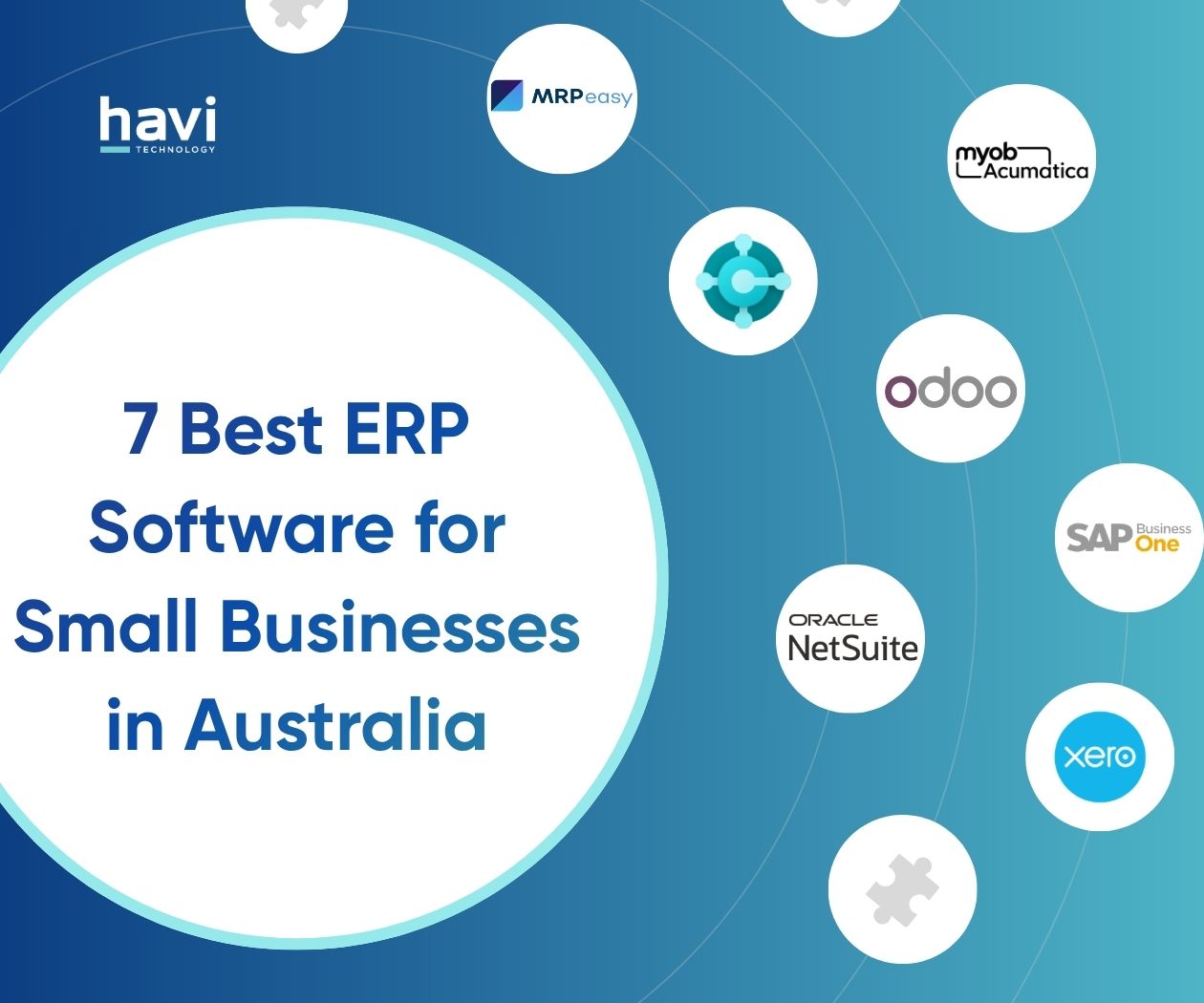
Top 7 Best ERP Software for Small Businesses in Australia (2026)

For Australian and New Zealand small businesses outgrowing accounting software, the seven ERP platforms that consistently fit Australian and New Zealand operations are Odoo, Microsoft Dynamics 365 Bus...

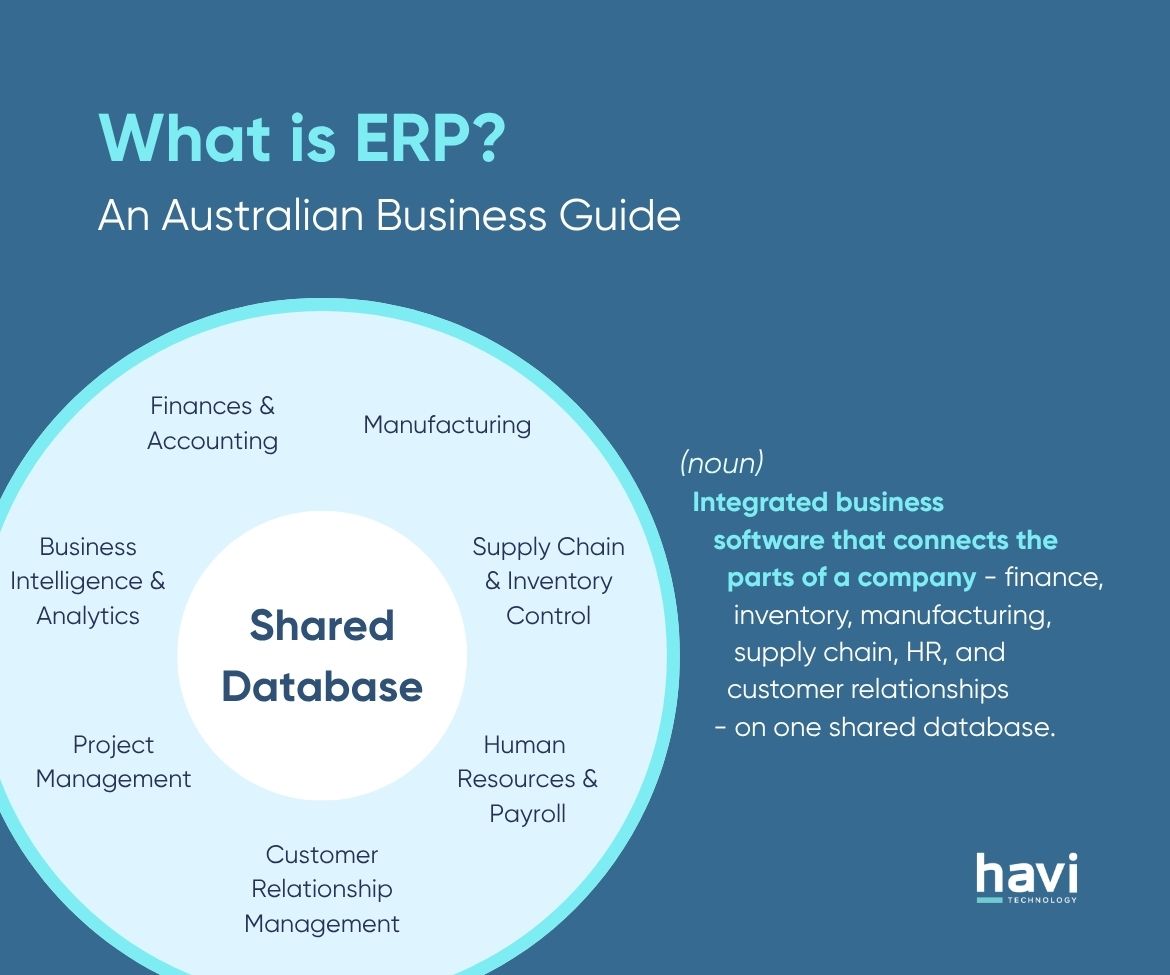
What is ERP? An Australian Business Guide to Enterprise Resource Planning

Enterprise Resource Planning (ERP) is integrated business software that runs the core operations of a company (finance, inventory, supply chain, HR, and customer relationships) from a single shared da...

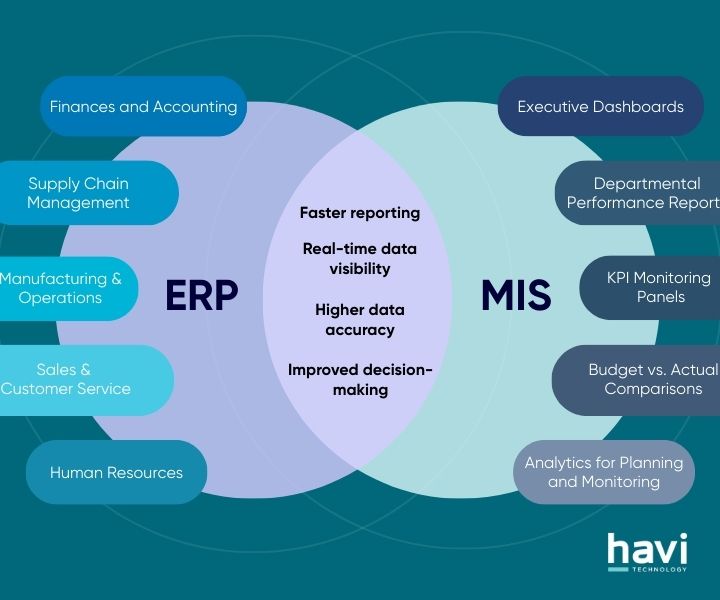
ERP vs MIS: What’s the Difference and How They Work Together (2026 Guide)

ERP and MIS serve different but closely connected roles in modern business systems . ERP systems execute and record operational transactions across finance, inventory, sales, and operations, while MIS...

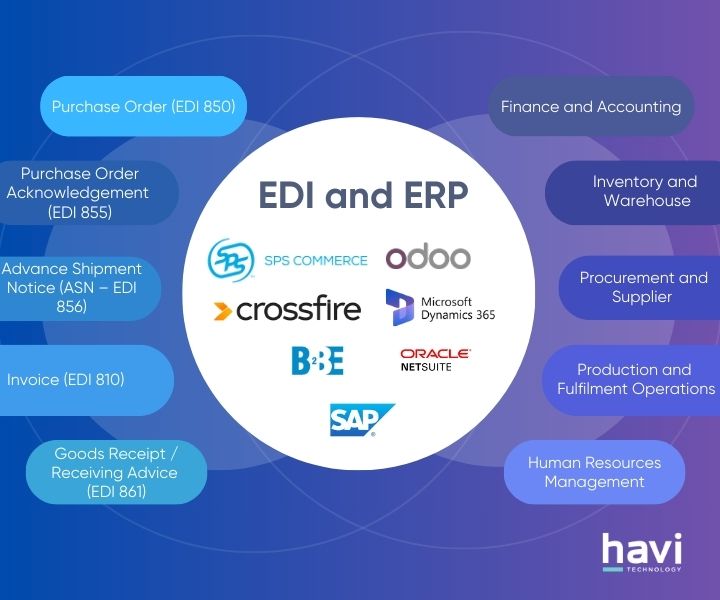
EDI and ERP: Differences, How They Work Together, and Why Integration Matters

EDI and ERP integration enables businesses to exchange standardised business documents, such as purchase orders, invoices, and shipping notices, directly between trading partners and internal systems ...

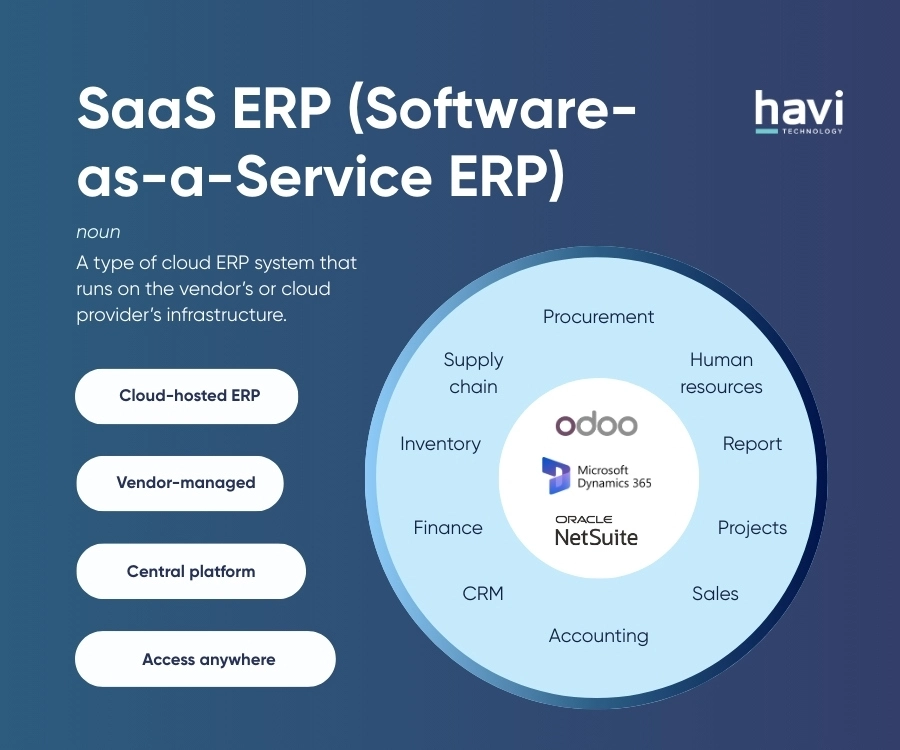
SaaS ERP 101: What It Is, Top Vendors, and How to Get Started

SaaS ERP is an enterprise resource planning delivery model in which applications are centrally hosted by the vendor and accessed via the internet on a subscription basis, with infrastructure, upgrades...

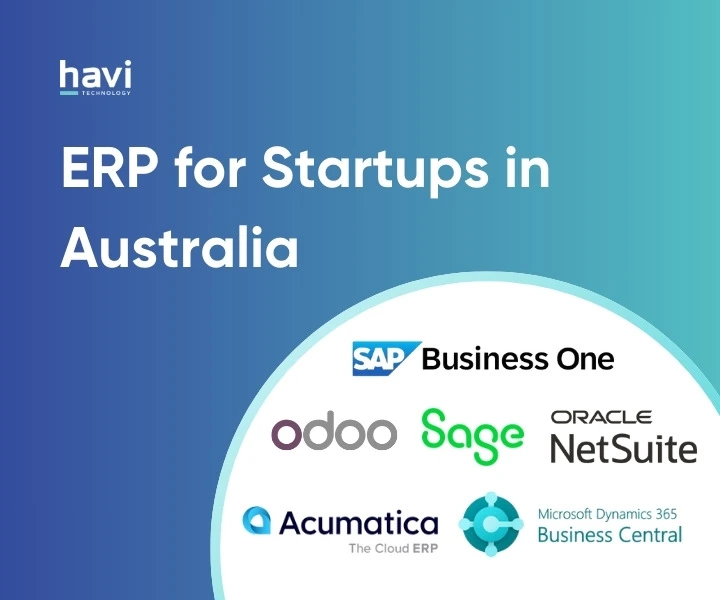
ERP for Startups in Australia: Top Solutions and When You Need One

ERP for startups is adopted when growing teams outgrow fragmented tools and need a single system of record to keep finance, sales, inventory, and reporting aligned . A startup ERP consolidates core wo...

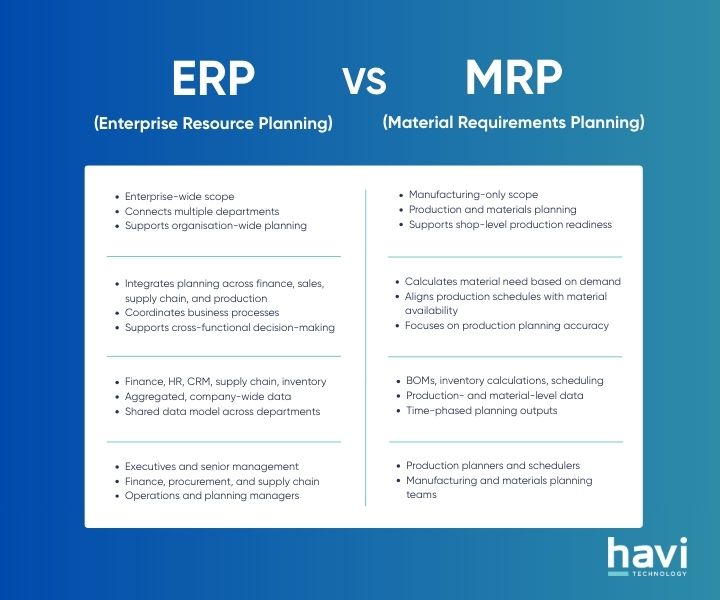
ERP vs MRP: Key Differences, How They Work Together, and When to Use Each

ERP and MRP are closely related systems, but they serve different scopes of business and manufacturing operations. MRP focuses on material planning and production scheduling within manufacturing , whi...

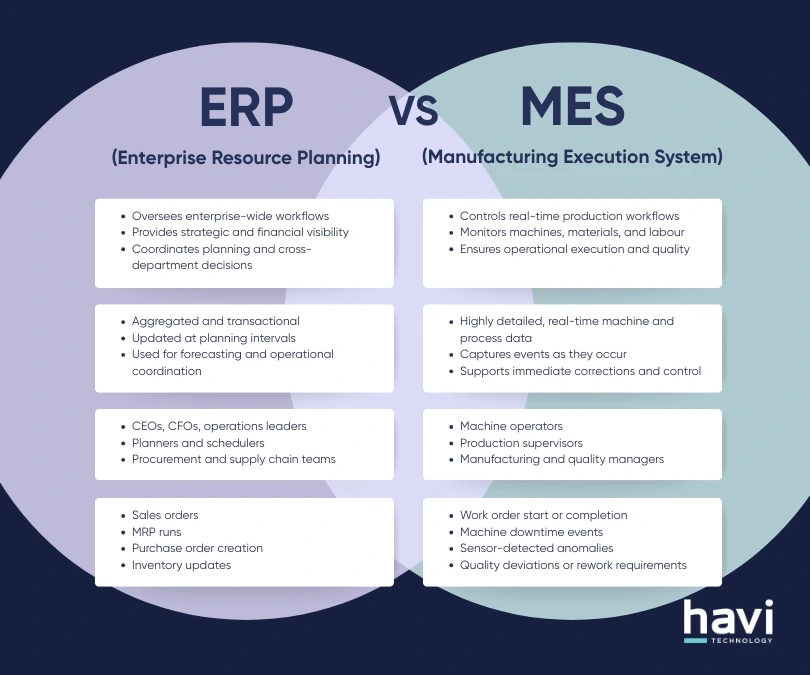
ERP vs MES: Key Differences, How They Work Together, and When You Need Both

ERP and MES are distinct but complementary systems that serve different layers of manufacturing operations . ERP manages enterprise-wide planning, finance, inventory, and coordination, while MES contr...

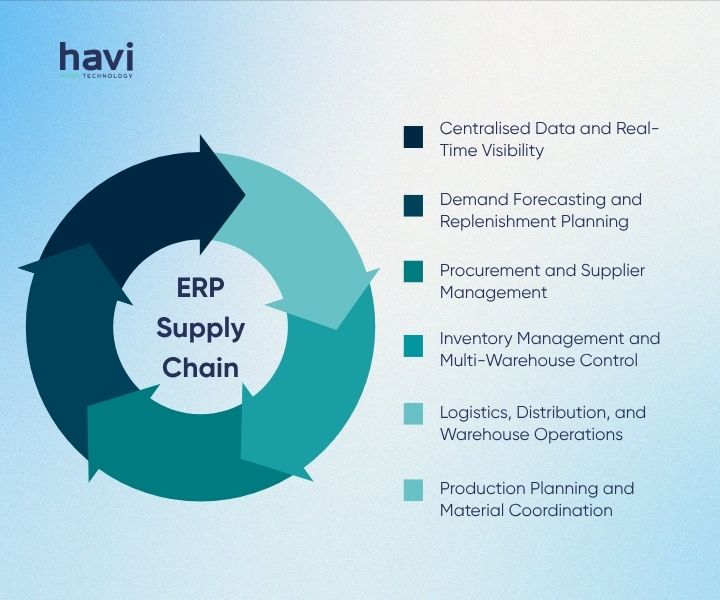
ERP Supply Chain: Definition, Core Functions, and Top 5 Vendors

ERP systems strengthen supply chain management by unifying operational data and processes across procurement, inventory, warehousing, logistics, and production . They provide end-to-end visibility, re...

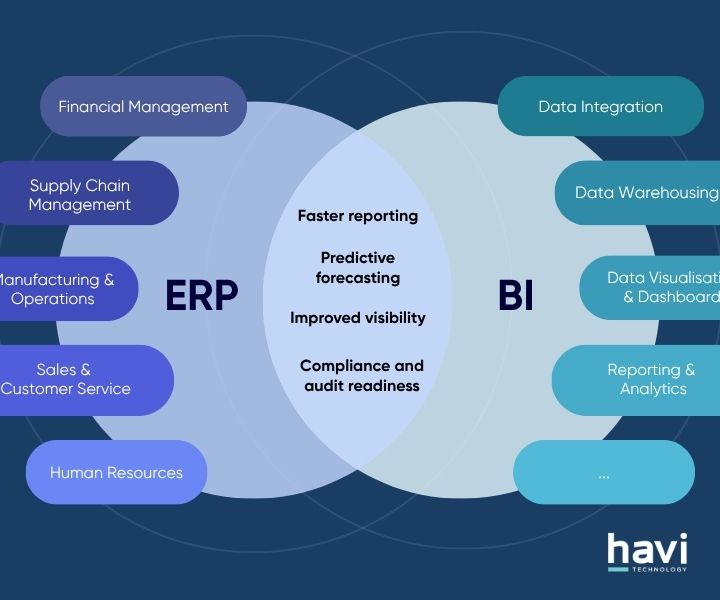
ERP BI: Overview, Differences, and ERPs with BI Capabilities

ERP BI is the combination of an Enterprise Resource Planning (ERP) system and Business Intelligence (BI) tools, where ERP collects and manages transactional data and BI analyses that data to generate ...

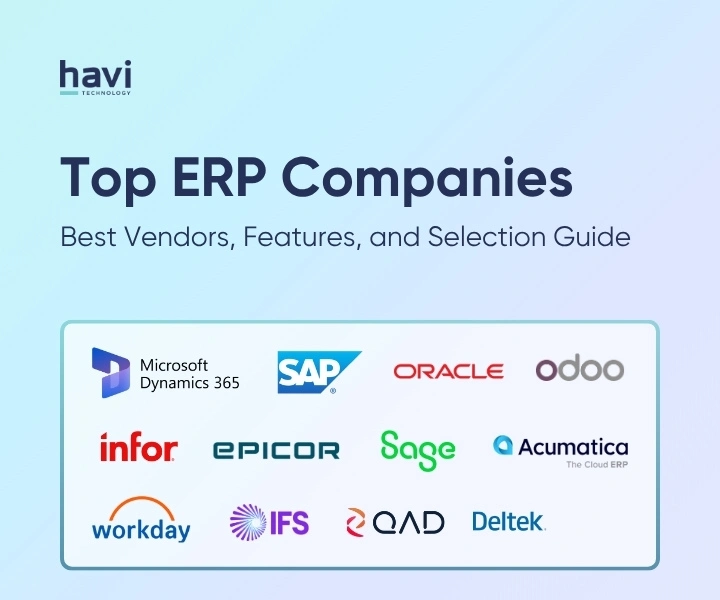
Top 9 Leading ERP Companies for Australian Businesses in 2026

ERP companies design and maintain the systems businesses use to manage finance, operations, HR, inventory and supply chain in one integrated environment . As the cloud reshapes how organisations work,...

Latest Updates

Top 6 Best Construction ERP Systems for Australian Builders (2026)

For Australian builders, contractors, and developers comparing construction ERP in 2026, the six platforms that consistently fit Australian operations are MYOB Acumatica Construction Edition, Viewpoin...
Top 7 Best ERP Software for Small Businesses in Australia (2026)

For Australian and New Zealand small businesses outgrowing accounting software, the seven ERP platforms that consistently fit Australian and New Zealand operations are Odoo, Microsoft Dynamics 365 Bus...

What is ERP? An Australian Business Guide to Enterprise Resource Planning

Enterprise Resource Planning (ERP) is integrated business software that runs the core operations of a company (finance, inventory, supply chain, HR, and customer relationships) from a single shared da...

ERP vs MIS: What’s the Difference and How They Work Together (2026 Guide)

ERP and MIS serve different but closely connected roles in modern business systems . ERP systems execute and record operational transactions across finance, inventory, sales, and operations, while MIS...

EDI and ERP: Differences, How They Work Together, and Why Integration Matters

EDI and ERP integration enables businesses to exchange standardised business documents, such as purchase orders, invoices, and shipping notices, directly between trading partners and internal systems ...

SaaS ERP 101: What It Is, Top Vendors, and How to Get Started

SaaS ERP is an enterprise resource planning delivery model in which applications are centrally hosted by the vendor and accessed via the internet on a subscription basis, with infrastructure, upgrades...

ERP for Startups in Australia: Top Solutions and When You Need One

ERP for startups is adopted when growing teams outgrow fragmented tools and need a single system of record to keep finance, sales, inventory, and reporting aligned . A startup ERP consolidates core wo...

ERP vs MRP: Key Differences, How They Work Together, and When to Use Each

ERP and MRP are closely related systems, but they serve different scopes of business and manufacturing operations. MRP focuses on material planning and production scheduling within manufacturing , whi...

ERP vs MES: Key Differences, How They Work Together, and When You Need Both

ERP and MES are distinct but complementary systems that serve different layers of manufacturing operations . ERP manages enterprise-wide planning, finance, inventory, and coordination, while MES contr...

ERP Supply Chain: Definition, Core Functions, and Top 5 Vendors

ERP systems strengthen supply chain management by unifying operational data and processes across procurement, inventory, warehousing, logistics, and production . They provide end-to-end visibility, re...

ERP BI: Overview, Differences, and ERPs with BI Capabilities

ERP BI is the combination of an Enterprise Resource Planning (ERP) system and Business Intelligence (BI) tools, where ERP collects and manages transactional data and BI analyses that data to generate ...

Top 9 Leading ERP Companies for Australian Businesses in 2026

ERP companies design and maintain the systems businesses use to manage finance, operations, HR, inventory and supply chain in one integrated environment . As the cloud reshapes how organisations work,...